

Cats have to be carnivores as they are obligates. Their bodies are made in such a way that animal protein is a key component of their diet. Nevertheless, you will be amazed to find out that some cats are interested in the occasional veggie, including broccoli. But before you share your floret florets, let’s delve into the world of feline nutrition and explore the question: can cats eat broccoli?
Is Broccoli Safe for Cats?
The answer is affirmative, broccoli is relatively safe for cats if it is served in moderation. In contrast to some vegetables that are poisonous to cats, broccoli florets do not have any harmful substances. What’s more, cat grass contains a variety of vitamins and minerals that can be good for your cat.
Nutritional Benefits of Broccoli for Cats – Can Cats Eat Broccoli
Broccoli offers a surprising array of vitamins, minerals, and fiber, all of which can contribute to your cat’s well-being: can cats consume broccoli
· Vitamins: Broccoli is rich in vitamin C, which is important for the immune system and helps the body to absorb iron. In addition, it has vitamin K which is crucial for normal blood clotting.
· Minerals: This veggie provides essential minerals like potassium, which aids in muscle function and nerve impulses and iron, which facilitates oxygen delivery to the tissues.
· Fiber: Broccoli is a great source of dietary fiber, which can help your cat to have a healthy digestion and regularity.
How to Safely Share Broccoli with Your Cat – Can Cats Eat Broccoli
Of course, broccoli is safe, and moderation should be your ally. Here’s how to introduce broccoli to your cat’s diet safely: can cats eat broccoli?
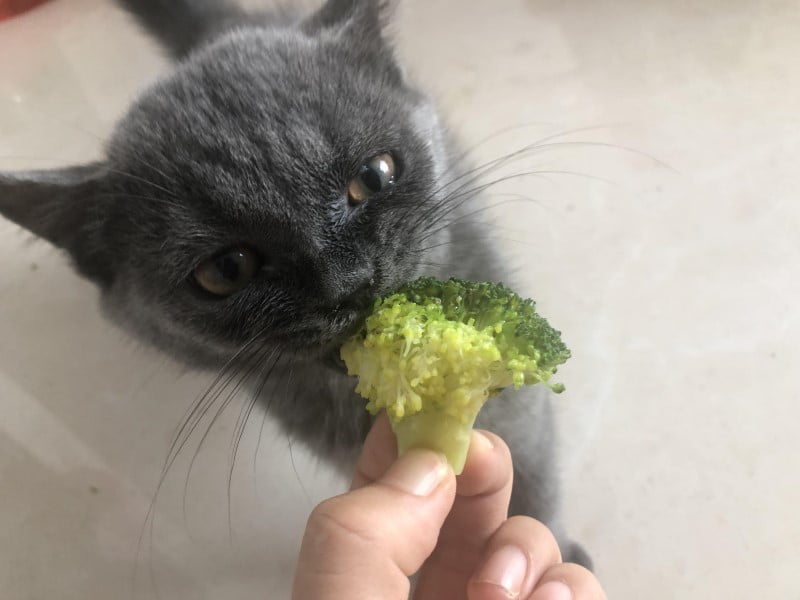
· Start Small: Start with a little piece of cooked, chopped broccoli, no bigger than your pinky nail. This enables the cat’s digestive system to adapt gradually.
· Cooked is Best: Cats might have difficulty in digesting raw broccoli. Go for cooked broccoli, either steamed or boiled, as it will be easier to eat.
· Plain and Simple: Don’t add broccoli florets seasoned with butter, salt or any other spices/sauces. These additions can upset your pet’s stomach.
· Monitor for Reactions: Watch your cat after you have introduced broccoli. If they vomit, get diarrhea or avoid their food, stop feeding them broccoli and consult your vet.
How Much Broccoli is Too Much? – Can Cats Eat Broccoli
Generally, a small piece of broccoli (about the size of a thumb) once or twice a week is enough for most cats. Note their main dietary requirements are met from a high quality cat food formulated for their health needs. Eating too much broccoli may result in digestive problems and their normal feeding schedule can be disrupted.
Signs Your Cat Shouldn’t Eat Broccoli
Although broccoli is generally safe, some cats might have sensitivities or digestive problems that make it inadvisable for them. Here are some signs to watch out for: can a cat eat broccoli?
· Throwing up or having loose stools once in a while after eating broccoli.
· Loss of appetite
· Lethargy or discomfort
If you see any of these signs, stop offering broccoli to your cat and seek advice from your veterinarian.
.
The Verdict: Broccoli as an Occasional Treat
Broccoli is a healthy and interesting occasional treat for some cats who are curious about it. On the other hand, what matters most is to give them a top quality cat food which matches their specific nutritional needs. Introduce new foods gradually, attentively watch your cat’s reaction and observe the amount of food you give in small portions. Keep in mind that moderation is the key when it comes to feline health!
Beyond Broccoli: Other Safe and Beneficial Vegetables for Cats
Broccoli might be the veggie that your cat finds most fascinating. You might also wonder, can cats eat raw chicken? Let’s explore some other vegetables that can be offered as occasional treats: if cats eat broccoli.
Green Beans
Green beans, like broccoli, are rich in essential vitamins and fiber. These fruits are low calories and are loaded with vitamin A for good eyesight and vitamin C for immunity. Recall to cut them into small pieces before giving it to your cat.
Asparagus
Asparagus is also a safe and healthy vegetable for cats. It is a rich source of vitamins A, C, and E, all of which are essential for good health. On the contrary, asparagus may give a feline cat a strong-smelling urine smell.
Butternut Squash
Boiled pumpkin is a good multivitamin for your cat since it contains vitamins A, C and fiber. It might even make the picky eaters eat it. The squash should be cooked and mashed or cut into small, soft pieces.
Pumpkin
Pumpkins rock the boat when it comes to the feline’s digestive system. The fiber content in a cooked pumpkin can be very helpful in treating constipation and maintaining normal bowel movements. Nevertheless, canned pumpkin puree is the safest choice, as canned pumpkin pie filling usually contains added sugars and spices that can be dangerous to cats.
Important Considerations for Vegetable Treats
While these vegetables offer some health benefits, it’s important to remember a few key points: can cats eat broccoli?
· Treats, Not Staples: Vegetables should not be a replacement for a balanced cat food diet. They should be regarded as occasional small quantity treats.
· Moderation is Key: Overeating vegetables can create digestive problems and nutritional imbalances.
· Consult Your Veterinarian: If you have any doubts about the introduction of new foods to your cat’s diet, you should always consult your veterinarian for a personalized advice.
The Final Word on Feline Veggie Fun
Cats are obligate carnivores, and the number one source of their nutrition should be a high-quality cat food. Nevertheless, for the curious kitties who are interested in exploring new tastes, occasional vegetable treats like broccoli, green beans, or asparagus can be a fun and healthy way to add variety to their diet. Just limit the portions, moderation and the advice from the vet to have a cat that’s not only healthy but also happy.
Vegetables to Avoid: Keeping Your Cat Safe
Even though it may be okay for cats to indulge in some vegetables occasionally, some of them should never be consumed.
· Onions, Garlic, and Leeks: Disulfides, which are the compounds in vegetables, can cause red blood cells’ hemolysis in cats, and then anemia follows.
· Grapes and Raisins: The exact toxin in grapes and raisins that is responsible for the harm to cats is still a mystery, but both can lead to vomiting, diarrhea, lethargy, and even kidney failure.
· Avocados: Persin, a toxin found in avocados, is life-threatening to cats. Induces vomiting, diarrhea and breathing difficulties.
· Mushrooms: A lot of mushrooms are poisonous to cats and even a small amount can be deadly. If you think your cat has eaten a mushroom, consult a veterinarian as soon as possible.
· Potatoes: Although potatoes in themselves are not inherently toxic, the potato plant contains solanine, which can cause vomiting and upset stomach in cats.
· Tomatoes: The green parts of the tomato plants, such as the leaves and stems, contain solanine, which is poisonous to cats. Fully mature tomatoes themselves have limited nutritional value and can cause digestive problems in few cats.
When in Doubt, Leave it Out
If you’re not sure whether a specific vegetable is healthy for your cat or not, it’s always safe to assume that it is not and stop giving it. When in doubt, appeal to your veterinarian for advice.
Looking Beyond Vegetables: Safe and Satisfying Treats for Cats
When it comes to vegetables, some can be a healthy occasional treat, but there are other options for cat mental enrichment and fun.
· Commercial Cat Treats: There are a wide range of commercially available cat treats that are safe and appealing to felines. Choose your treats that are made with quality proteins and stay away from ones that are high in artificial flavors, colors, or preservatives.
· Cooked Lean Meats: Small servings of cooked, lean meats such as chicken, turkey, and fish can occasionally make an excellent snack for your cat. Simply make sure to discard any skin, bones, or fat which may lead to digestive issues.
· Catnip: Catnip is a natural plant that stimulates many cats. Sprinkling a little bit of catnip on a scratching post or toy may lead to hours of cat entertainment.
· Interactive Play: The best way to give your cat mental and physical stimulation is through interactive play sessions with toys like feather wands or laser pointers.
Several safe and enjoyable options for treats and activities can be offered to you from which you will be able to pick without going against your cat’s dietary needs.
A Balanced Approach to Feline Treats
Keep in mind that a balanced diet is a cornerstone for a happy and healthy cat. While they can occassionally have vegetable treats or any other safe options as a way of adding more variety and enrichment, good quality cat food should always be the basis of their nutritional needs. Ask your veterinarian for a personalized advice on how to create a balanced and nutritious meal plan for your feline friend. You can be sure that your cat will be living a healthy and happy life with a little planning and knowledge.
Conclusion: A Guide to Safe and Happy Feline Feasting – Can Cats Eat Broccoli
The world of feline nutrition is a fascinating, yet sometimes confusing, world. Broccoli is not something to worry about, provided that it’s given in moderation and sometimes cats might enjoy it as a curiosity. Our outreach has recently extended beyond broccoli to find other vegetables that are safe and nutritious for the cats and we’ve also mentioned how certain vegetables can be toxic for cats.
Ultimately, the key takeaway is this: moderation and a balanced approach are the key when it comes to treating your cat. Premium quality of cat food that is designed with their needs in mind should form the basis of their daily diet. Occasionally vegetables treats, safe commercial options, cooked lean meat and interactive play sessions may be your cat’s new source of enjoyment and enrichment without compromising their health.
By discussing with your veterinarian for personalized advice and following these guidelines, you can make sure that your feline friend will have a great and healthy journey through life. Keep in mind that a content cat is a healthy cat and by learning a bit more and planning, you can be the perfect caretaker for your little friend.